Crispy Skin Salmon with Lemon Dill Emulsion

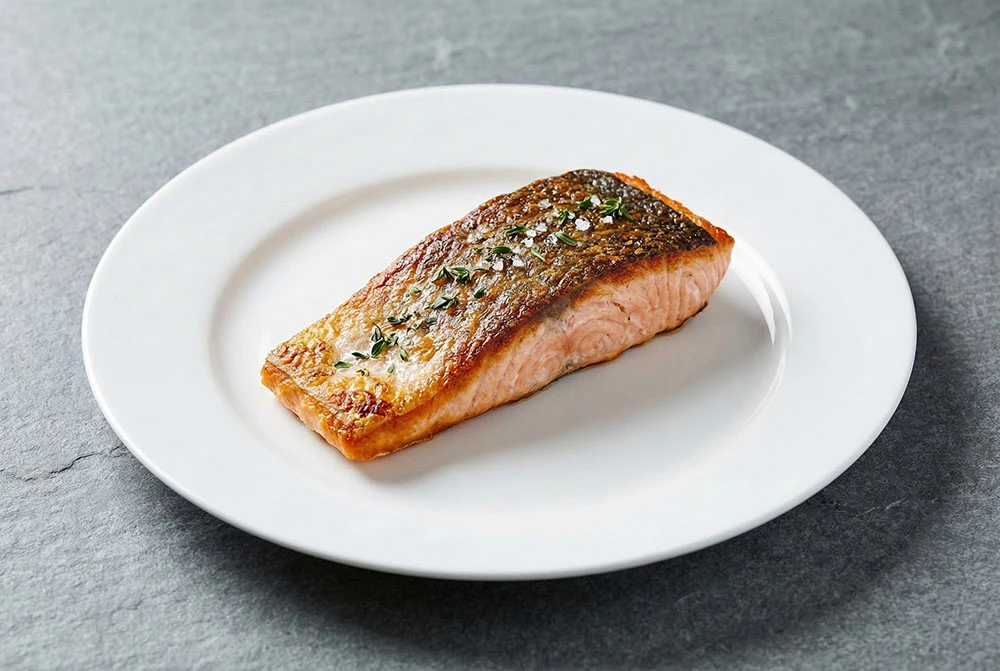
The pursuit of the perfectly crisp salmon skin is a culinary Everest for many home cooks. It’s a textural paradox: delicate, yielding flesh paired with a shatteringly crisp epidermis. Amateur attempts often result in a flabby, disappointing skin, a stark contrast to the restaurant quality experience we strive for. This dish elevates that pursuit by understanding the fundamental physics at play. We are not merely cooking fish; we are engineering a specific textural outcome, transforming a delicate protein into a culinary masterpiece through precise technique.
Our strategy hinges on the concept of ‘The Maillard Shield,’ where the skin is viewed not as an afterthought, but as the primary textural event. The goal is a ‘glass like’ shatter, an auditory and tactile delight. This requires the absolute absence of moisture on the skin’s surface before it meets heat. Amateur cooks often overlook this critical dehydration step, leading to steaming rather than searing, and thus, a compromised texture. The method detailed here ensures that every element conspires to create that sought after crispness.
By employing epidermal desiccation – a professional term for air drying the skin under refrigeration – we create a pellicle. This dry outer layer is the foundation upon which true crispness is built. It’s a patient process, demanding foresight, but the reward is a salmon fillet where the skin offers a delightful, audible crunch, a testament to culinary precision and understanding. This is not just a recipe; it’s a masterclass in texture.
Instructions
The Foundation: Achieving the Perfect Pellicle
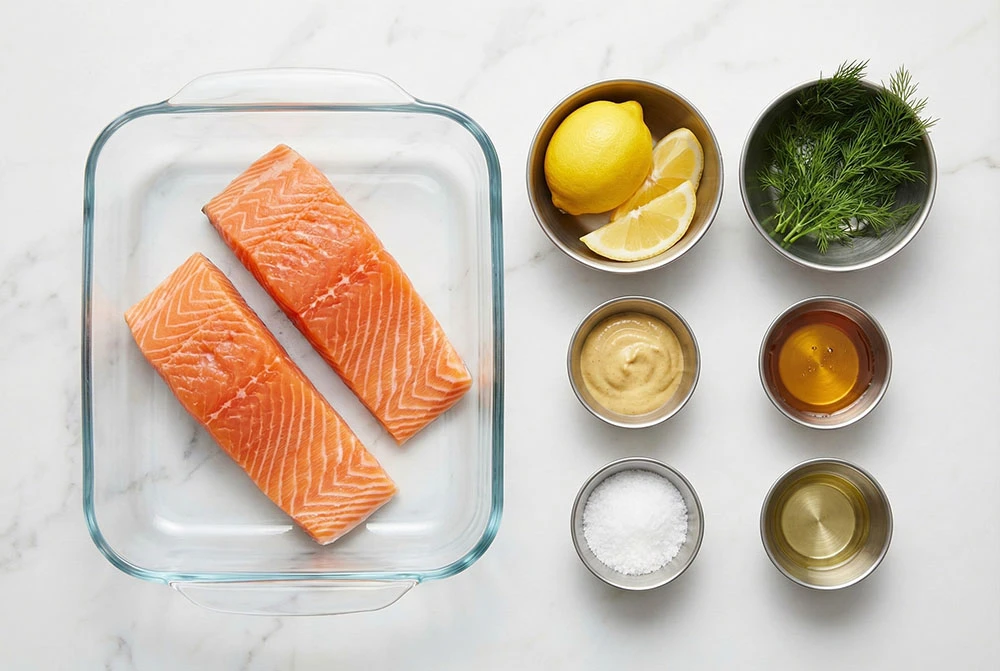
Our journey to that coveted, shatteringly crisp salmon skin begins long before the pan even heats. The absolute, non negotiable first step is the meticulous drying of your salmon fillets. Employ paper towels with a surgeon’s precision, ensuring every molecule of surface moisture is eradicated. Once bone dry, season generously with Kosher salt – this isn’t just for flavor; it’s a crucial component in drawing out residual moisture. Place these salted fillets, skin side up, on a wire rack set within a baking sheet. The magic truly happens in the refrigerator, uncovered, for a minimum of 12, ideally 24 hours. This extended period of air exposure, a process we refer to as epidermal desiccation, forms a dry pellicle – a taut, almost leathery membrane on the skin. This pellicle is the sole barrier between us and a soggy disaster; its formation is paramount.
Before we even contemplate the heat, we must prepare our vibrant counterpoint to the rich salmon: the Lemon Dill Emulsion. In a vessel of your choosing, harmonize the bright acidity of lemon juice with the assertive tang of Dijon mustard and a whisper of honey. Then, with the unwavering focus of a seasoned saucier, slowly, deliberately, stream in your finest extra virgin olive oil. Whisk with relentless consistency, coaxing the oil and liquid into a stable, unctuous emulsion. Finally, fold in the verdant confetti of fresh dill, seasoning judiciously with salt and freshly cracked black pepper. This bright, herbaceous sauce will be the silken bed upon which our crispy skinned masterpiece rests.
The Alchemy of Heat: Transforming Skin to Glass
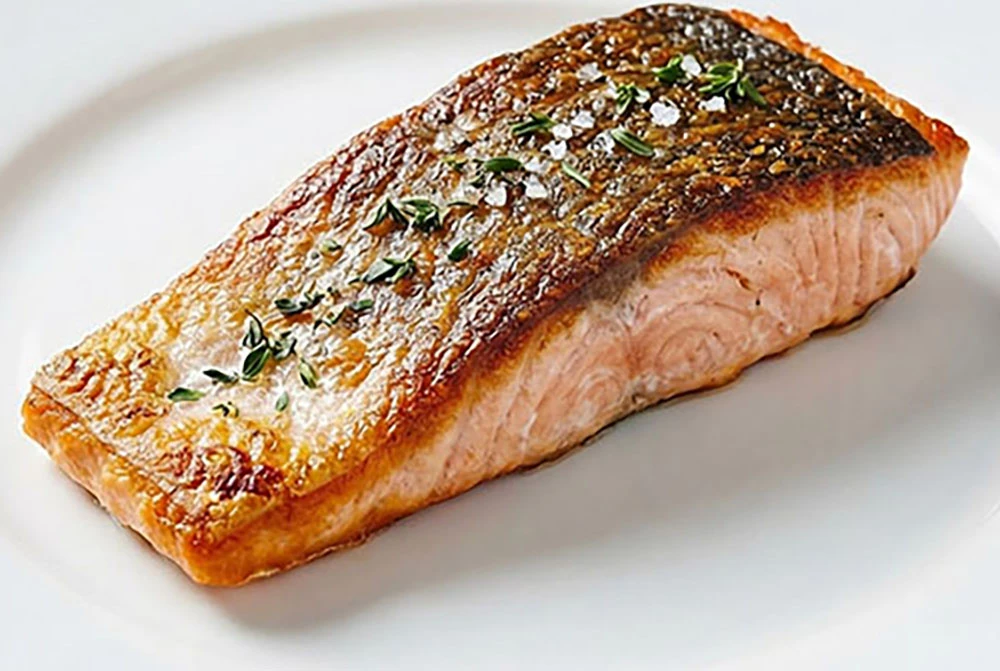
When the time comes to cook, retrieve the salmon from its refrigerated slumber. The skin should feel noticeably dry, even slightly tacky to the touch – a testament to your diligent preparation. With the back of a knife, gently, almost reverently, scrape away any excess salt crystals. Take extreme care not to abrade or tear the delicate pellicle you’ve so painstakingly cultivated. Now, heat a heavy, oven safe skillet over medium high heat. Introduce a high smoke point oil; you’re looking for a shimmering surface, a heat that promises a swift, decisive sear, but not yet wisps of smoke. Carefully lay the salmon fillets into this inferno, skin side down. Immediately, apply gentle, consistent pressure with your spatula for the initial 30 seconds. This critical maneuver ensures complete contact across the entire skin surface, preventing the edges from curling and guaranteeing uniform crisping.
Allow the salmon to render and crisp for a solid 5 to 7 minutes. Listen for the sizzle, a steady, confident sound that signals the Maillard reaction at play. Observe the flesh as it gradually turns opaque from the bottom up. Your goal is a deeply golden brown, almost burnished, shatteringly crisp skin. Do not, under any circumstances, crowd the pan. If your skillet isn’t capacious enough, embrace the necessity of cooking in batches. Each fillet deserves its space to achieve this textural perfection. Once the skin has reached its glass like state and the flesh is about two thirds opaque, it’s time for the briefest of finishes on the flesh side – a mere 1 to 3 minutes, depending on your desired internal temperature. For that perfect medium rare, aim for 120-125°F.
The Grand Finale: Presentation and Enjoyment
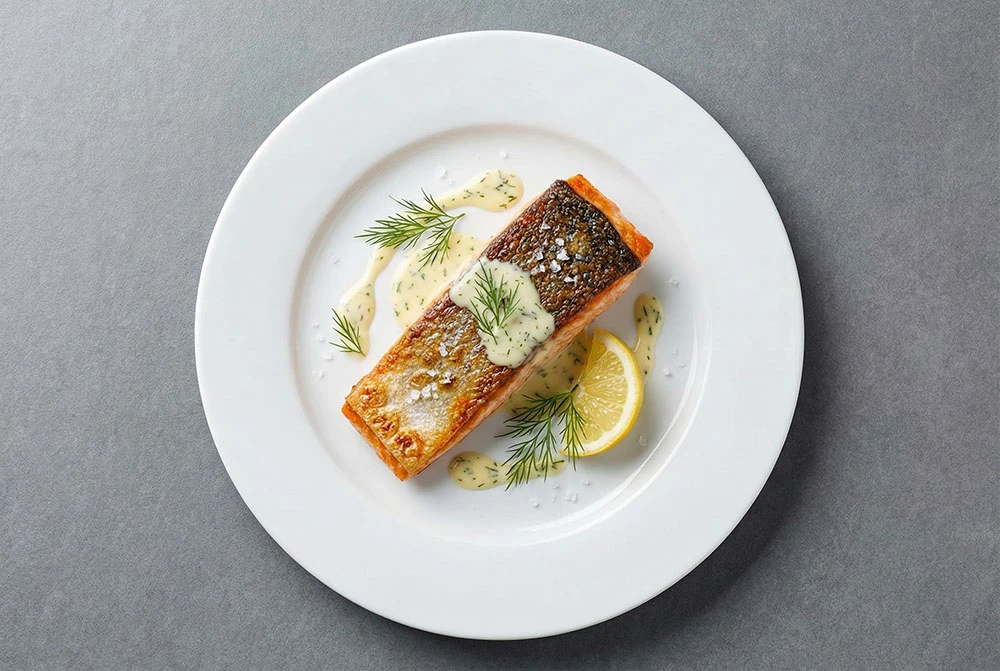
With the utmost care, transfer the perfectly cooked salmon from the skillet. On each waiting plate, lay down a generous pool of your vibrant Lemon Dill Emulsion. This bright, acidic sauce will cut through the richness of the fish and provide a moist counterpoint to the crisp skin. Gently place a salmon fillet atop the emulsion, proudly displaying its golden, crisp skin. A final flourish of fresh dill sprigs adds a visual and aromatic exclamation point. Serve this immediate triumph without delay. Remember, the ephemeral nature of perfectly crisp skin demands prompt enjoyment. Should you find yourself with any precious leftovers, store them in an airtight container in the refrigerator for up to 2 days, and reheat with the same gentle touch you employed in cooking to preserve that hard won texture.
The Chef’s Science
The cornerstone of this recipe’s success lies in ‘Epidermal Desiccation,’ a sophisticated term for a simple yet critical process: thoroughly drying the salmon skin. This isn’t just about patting with a towel; it’s about actively removing moisture through air exposure. When salmon skin is wet, its surface temperature cannot exceed 212°F (100°C) as the water boils and steams, preventing proper searing and rendering. By refrigerating the salted, uncovered fillets, we draw out moisture, forming a ‘pellicle’ – a dry, slightly tacky surface. This pellicle allows the skin to reach much higher temperatures in the hot oil, facilitating the Maillard reaction and caramelization, which create that desirable golden brown color and shatteringly crisp texture, while the internal moisture of the fish gently cooks.
Sourcing the Best
For this dish, the quality of your salmon and olive oil is paramount. When selecting salmon fillets, look for vibrant, clear eyes (if purchasing whole), bright red gills, and firm, elastic flesh that springs back when pressed. The skin should be intact and shiny. Opt for skin on fillets, as this is where our textural magic happens. For the extra virgin olive oil, choose one with a robust, peppery finish. A good quality oil not only emulsifies beautifully but also imparts a subtle fruity complexity to the sauce. Look for harvest dates on the bottle, as fresher oils offer superior flavor and aroma, ideally from a reputable producer known for single origin or estate oils.
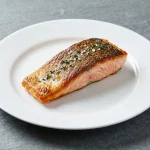
Crispy Skin Salmon with Lemon Dill Emulsion
Ingredients
Salmon Preparation (Epidermal Desiccation)
- 4 6 oz skin on salmon fillets, pin bones removed
- 1 tbsp Kosher salt
Lemon Dill Emulsion
- 1/4 cup fresh lemon juice
- 2 tbsp Dijon mustard
- 1 tsp honey
- 1/2 cup extra virgin olive oil
- 2 tbsp fresh dill finely chopped
- Salt and freshly ground black pepper to taste
For Cooking
- 2 tbsp high smoke point oil like grapeseed or avocado oil
- Fresh dill sprigs for garnish
Instructions
- 1. Prepare the Salmon: Pat the salmon fillets completely dry with paper towels. Sprinkle evenly with 1 tbsp Kosher salt. Place the fillets, skin side up, on a wire rack set inside a baking sheet. Refrigerate, uncovered, for at least 12 hours (up to 24 hours). This process, known as epidermal desiccation, will form a dry pellicle on the skin, crucial for achieving superior crispness.
- 2. Prepare the Lemon Dill Emulsion: In a small bowl, whisk together the lemon juice, Dijon mustard, and honey. Slowly drizzle in the extra virgin olive oil while continuously whisking until a thick, emulsified sauce forms. Stir in the chopped fresh dill. Season with salt and freshly ground black pepper to taste. Set aside.
- 3. Cook the Salmon: Remove the salmon from the refrigerator. The skin should feel dry and slightly tacky. Gently scrape off any excess salt crystals with the back of a knife, being careful not to damage the pellicle.
- 4. Sear the Salmon: Heat the high smoke point oil in a large, oven safe skillet over medium high heat until it shimmers but does not smoke. Carefully place the salmon fillets, skin side down, into the hot skillet. Press down gently on each fillet with a spatula for the first 30 seconds to ensure even contact and prevent curling.
- 5. Achieve Crispy Skin: Cook the salmon skin side down for 5-7 minutes, or until the skin is deeply golden brown and crisp. You should see the flesh turning opaque about two thirds of the way up the fillet. Do not overcrowd the pan; cook in batches if necessary.
- 6. Finish Cooking: Flip the salmon fillets and cook on the flesh side for an additional 1-3 minutes, depending on desired doneness. For medium rare, aim for an internal temperature of 120-125°F.
- 7. Plate and Serve: Carefully remove the salmon from the skillet. Spoon a generous amount of the lemon dill emulsion onto each plate. Place a salmon fillet, skin side up, on top of the emulsion. Garnish with fresh dill sprigs. Serve immediately.
Notes
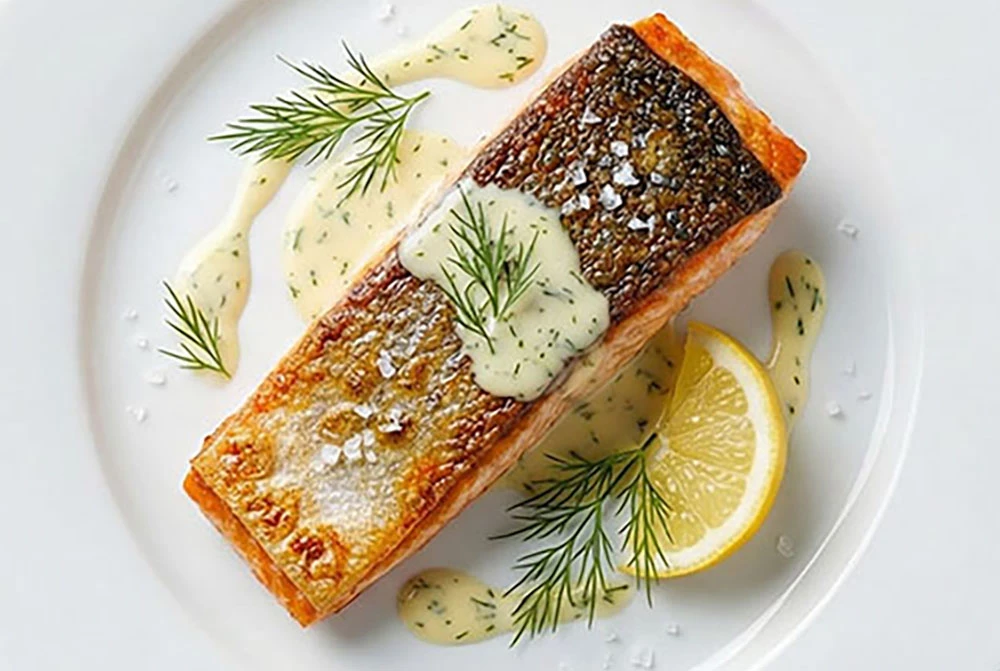
Plating & Presentation
To present this masterpiece, begin with a warm, pristine white ceramic plate. Spoon a generous dollop of the vibrant lemon dill emulsion onto the plate, creating an elegant base. Gently place the salmon fillet, skin side up, atop the emulsion, ensuring the perfectly crisp skin is the star. Use a clean, damp linen to meticulously wipe the rim of the plate, removing any stray drips or smudges for a gallery worthy finish. Garnish artfully with a few delicate sprigs of fresh dill, adding a touch of green and aromatic freshness. Serve immediately, allowing your guests to experience the sublime contrast of textures and flavors.
